Install Windows XP from USB Disk Drive. Installing Windows XP from a USB drive(pen Drive) has been an issue with less number of ideal solutions available. Here we have given a solution which is easy to follow and which works.
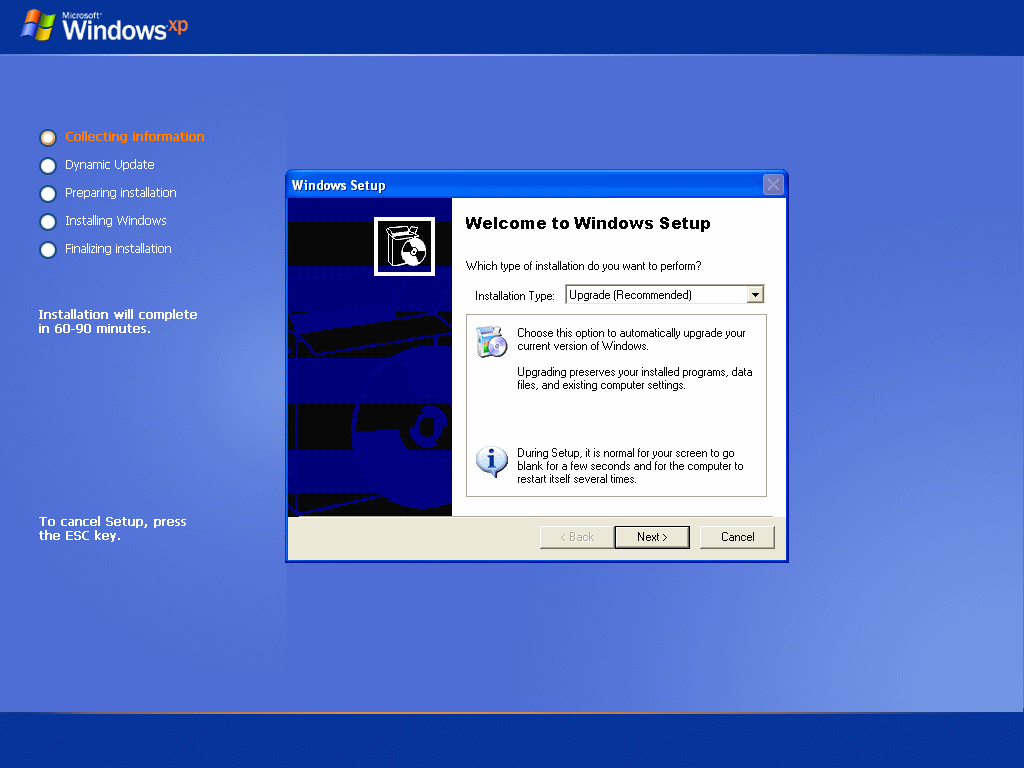
The reason why should anybody want to install Windows from a USB drive is that using a bootable CD is always been a problem. Sometimes our CD ROM may not work. Some mini laptops like Asus Eee PC may not have CD ROMs where installation is possible only through USB or an external Drive. One of the main reason why we were interested in this topic is that in the current trend Using a CD is considered primitive. A USB drive is much more easy and more portable. Hence why should anybody not want to carry their Installation files in a bootable USB drive and why would anybody rely on a CD which is easily damageable by rough handling.
The method given here is tested successfully for Windows XP 3. SP2 and SP3. It may work with other versions of Windows like Vista and Windows 7 but we have not tested it yet. Mafia Ii Crack And Keygen Madden. A USB Drive of minimum 2. GB2. Windows XP installation CD (Back Up will also do)The method consists of two parts and one file download (around 4. KB). We will have touse tools like Pe. To. USB to format your pen drive and copy the Windows XP installation files to the USB Disk using usb.
This Windows Recovery Console download lets you create a bootable CD to boot into the recovery console. No original Windows CD required. Prepares Windows XP LocalSource for Copy to USB-Drive: 0) Change Type of USB-Drive, currently This guide is about recovery disks for Compaq computers for the following versions of Windows: Windows XP, Windows Vista, Windows 7 and Windows 8. A recovery. Recent Posts. BMW key programming: VVDI 2 vs. ZED Full; BMW ICOM Next Led flashing red BMW Coding V3 Lite download on VM Mac, Win10/8/7/XP; How to setup BMW Rheingold.
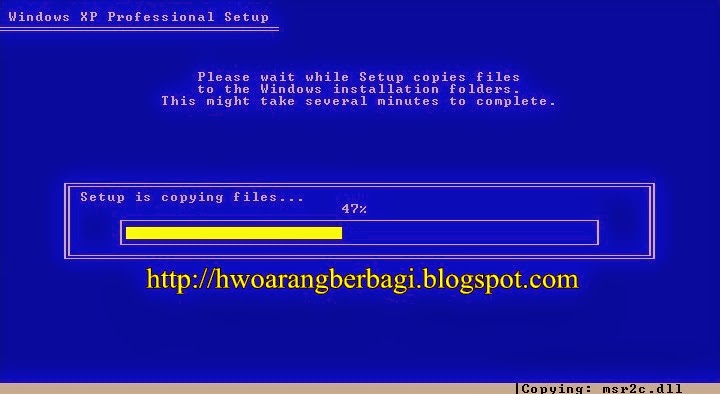
Then we will boot up from the USB Drive and prepare for installation. After the process is completed your XP install is ready for the process. Now we will start the process: Step 1: Download the File from the link given below: Size: 4.
KBName: usb. It will give you two folders named bootsect and usb. Plug in your USB drive to your computer and put the Windows XP CD also. Step 3: Go to the usb- prep. Press any key to continue. Step 4: Now it will open Pe. To. USB. Format your USB drive using it. Select the options as in the image below.
Microsoft's Photo Story is a free Windows program that lets you create audiovisual presentations out of your photos and images. You can quickly crop, rotate.
Note that after formatting do not close the Pe. To. USB or the cmd console. Step 5: Now open a new cmd console manually (press Start+L, type cmd and enter).
And type the following command in the commands prompt. Note that you should type your own USB drive letter instead of . No. Command: Action: 1cd\Enter. Enter. 3bootsect.
Enter. I had copied the folder in D drive. So the image will be somewhat different with the actual display of your console.
Don’t worry copy the folder in your C drive only. Now close this cmd console but not the other one. Step 6. Close Pe.
To. USB. Now the usb. Select 1 to set the source location.
Select the CD ROM containing the XP CD. Step 7: If you have a drive called T in your computer then check option 2 to change it to any letter which is not present. Otherwise no need to change. Select 3 to set the destination drive. Enter your USB Drive letter as shown below: Step 8: Now select choice 4 as we don’t have any Tempimage previously. It may ask you to delete the existing tempimage.
Enter y and it will format your temp drive. Press any key to continue.
Now it will start copying the XP files to the tempdrive. Step 1. 0: After the completion of the file copy process Press any key to continue. Now it will ask you to copy the files to your USB drive or not. Select Yes. Step 1.
During the copy process it will ask whether to change migrate. Is you are using a USB stick then Select Yes. If you are using a USB hard drive then Select No. Step 1. 2: After the successful completion of copying the files to your USB drive it will ask whether to unmount the Virtual temp drive or not. As you do not need it Select Yes. Step 1. 3: After the successful completion of the process close the cmd console.
Now your pen drive is ready for the installation process. Step 1. 4: Plug in the USB drive to the computer you want to install XP.
While start up make sure that you set the first boot choice as your USB drive. To do this you have to enter to the bios and change the boot order to USB Disk as the first choice. For entering to BIOS press the BIOS setup key while start up. This key is usually seen in the screen in the boot screen. For most of the systems it is DEL key.
For HP and Compaq it is F1. Go to the boot configuration tab and change the boot order.
Step 1. 5: While booting up from the USB it will ask you to choose between GUI and TXT mode of setup. Select TXT mode for now. Step 1. 6: Follow the onscreen instructions. It is same as the usual setup process. In the partition selection screen do not select you USB drive for install. And if you are installing in a new RAW hard disk then your USB Drive will be the C drive. Now first create a new partition and format your HDD using the setup.
And again restart the process from step 1. Quitting the current Install(Press F3). Then you should get your HDD partition as C drive. Continue your installation.
Step 1. 7: Now it will copy a set of files to the hard disk. It usually takes lesser time than a CD ROM installation. After the process it will ask for reboot. Press Enter to reboot immediately.
Step 1. 8: Now while start up select the GUI mode of setup to continue setup. Now you can continue your usual setup process. Follow the onscreen instructions carefully.
After the setup process which usually takes 3. Now boot from your Hard drive not the USB drive. Again use BIOS settings to make this happen.
Congratulations you have successfully installed Windows XP via a USB Drive. Important: 1. You can copy the contents of your pen drive if you want for future use.
To use in future just format your USB drive with FAT, run the commands given in Step 5 and simply copy paste the files you had saved earlier. No need to run the whole process again. While unmounting the Virtual Temp Drive T, it may fail and ask you to try again. And when it asks you to Force unmount select yes. This Method is for informational purpose only and should not be used for Software Piracy and illegal practices. We are not responsible for any loss or damage resulting from this information.
This method will not work if your motherboard or your BIOS does not support USB booting. This method is an implementation of the guide given in http: //www. And Pe. To. USB is a property of http: //gocoding. Featured Post: Install Windows 7 or Vista to your computer using a flash drive easily following the guide given here in few minutes. No download or software required and clear steps are given.
Windows Setup - Wikipedia. This article is about the process of installing the Windows OS.
For the software installer used in the Windows platform, see Windows Installer. Windows Setup is an installer that prepares a hard disk drive for a Microsoft Windowsoperating system installation by executing two processes: a) initializing the drive and b) copying system files to that drive in order for the operating system to be run locally (see Volume). The early versions of Windows required an existing compatible version of DOS operating system in order to be installed.
The Windows NT family, from 3. GUI wizard in the final steps. The 9x family installer was similar to NT despite it being MS- DOS- based. Additionally, it did not need preinstalled DOS as a requirement.
With the release of Windows NT 6. Vista), Microsoft introduced a fully graphical setup environment after dropping MS- DOS backward compatibility from Windows. Windows 1. x and Windows 2. The user must specify any hardware such as mice or printers during installation. After the installation, Windows was to be started either manually by typing . The installer attempts to detect network cards, mice, and other hardware on its own but will rely on the user to specify hardware if it cannot find them. After the installation, Windows was to be started either manually by typing .
The first phase of setup prepares the hard disk partition for use by Windows by formatting it to a compatible file system, then runs scandisk, and, if the hard disk appears to be ready for installation in terms of free space and disk integrity, then it will copy files to the selected installation folder (typically C: \WINDOWS). The first phase of setup resembles the interface of Windows 3. Once this phase is finished, the computer reboots and setup resumes from the hard disk, but still requires the installation media to continue copying files and drivers. At this point the user will be asked to provide a product key. Windows NT. The general process is: The user inserts the installation media, initiates the process, and Setup loads various hardware and file- system drivers. See F6 disk. The user is then presented with a text- based interface which gives three options 1) install Windows, 2) repair an existing installation, or 3) quit setup.
Prior to Windows 2. The user must create or select a partition, then a filesystem (either NTFS or FAT). If either of these file systems is already present and there is no version of Windows already on the disk, it is also possible to leave the current file system intact. The hard disk is checked for errors and space requirements, then, if it passes the check, Windows will be installed. After the text- based phase of Setup is finished, the computer reboots and starts a graphical phase of setup from the hard disk, prompting the user to reinsert the installation media, to enter the product key, and then it continues copying files and drivers. All versions of Windows NT up to Windows Server 2.
Windows XP Home Edition, prompt the user to enter an Administrator password. On Windows 2. 00. Windows XP and Windows Server 2. Recovery Console is included to repair damaged installations. It allows the user to repair disk and boot record errors, and copy missing or corrupted files to the destination folders.
After Windows Vista. Windows PE features a graphical user interface with mouse support from the beginning, rather than requiring a text- only phase as in previous versions. The concept of F6 disks has been improved to provide support for computers without floppy drives; the loading of drivers from CD- ROMs and USB flash drives is now supported. Support for installing Windows onto FAT partitions has been dropped; Windows must be installed onto an NTFS partition. Designed to be simpler and faster than previous installation methods, it analyses the system's hardware and software for compatibility with Windows 8, allows the user to purchase, download, and install the operating system, and migrate files and settings from the previous Windows installation in the case of a clean install.